
Eat with the Seasons: Ayurvedic Tips for Digestion, Hormones, and Year-Round Vitality
The Ayurvedic practice of Ritucharya (Seasonal Living) teaches that when you align your diet and lifestyle with the seasons, you can:
Improve digestion
Reduce bloating
Balance hormones naturally
Increase steady, sustainable energy
Do you ever feel like your digestion, energy, and mood shift throughout the year yet you’re expected to function the same every single day? This expectation simply doesn’t make sense.
Your body is not static. Your digestion, hormones, and nervous system are constantly responding to the environment around you. Just as nature moves through cycles, so do you. Instead of forcing your body into rigid routines, begin working with your body, not against it.
Why Digestion Changes Throughout the Year
Digestion is governed by Agni, your internal digestive fire. Agni is not constant. It fluctuates with the seasons:
Winter (Strong Agni): Cold weather pulls heat inward, strengthening digestion. Your body can handle heavier, more nourishing foods.
Summer (Weak Agni): External heat disperses internal heat, weakening digestion. This can lead to bloating, sensitivity, and sluggish metabolism.
Spring & Fall (Transitional Seasons): These are the most vulnerable times for digestion and immunity, when imbalances tend to surface.
Understanding this rhythm is key to reducing bloating and supporting hormonal balance year-round.
Seasonal Eating in Ayurveda: What to Eat for Balance
Winter: The Season of Building (Vata–Kapha)
Cold, dry weather increases Vata, while heaviness can build as Kapha accumulates.
Focus: Grounding, warming, nourishing foods
Supports: Hormone stability, immunity, deep energy reserves
Best Foods & Spices:
Root vegetables (sweet potatoes, carrots, beets)
Whole grains (oats, wheat, rice)
Healthy fats (ghee, olive oil)
Ginger
Cinnamon
Clove
Sesame seeds
Think: warm stews, porridges, and slow-cooked meals with plenty of healthy fats.
Spring: The Season for Cleansing (Kapha)
Spring brings moisture and heaviness, often leading to sluggish digestion, increased mucus and congestion.
Focus: Lightening, detoxifying, energizing
Supports: Reducing bloating, clearing stagnation, boosting metabolism
Best Foods & Spices:
Bitter greens (kale, dandelion, arugula), some cruciferous vegetables (cabbage, broccoli), daikon,
Legumes (lentils, mung beans)
Turmeric
Black pepper
Cumin
This is the ideal time for a gentle Ayurvedic reset or cleanse.
Summer: The Season for Cooling (Pitta)
Heat accumulates, increasing Pitta, which can lead to inflammation, irritability, and digestive sensitivity.
Focus: Cooling, hydrating, calming
Supports: Hormonal balance, skin health, digestion
Best Foods & Spices:
Water-rich fruits (watermelon, berries, grapes)
Cucumber, zucchini
Coconut
Mint
Fennel
Cilantro
Avoid overly spicy, fried, or acidic foods during this time.
Fall: The Season for Grounding (Vata)
Fall is dry, cool, and windy; prime conditions for Vata imbalance. This is when symptoms like anxiety, poor sleep, bloating, and irregular digestion often appear.
Focus: Grounding, warming, stabilizing
Supports: Nervous system regulation, hormone balance, digestion
Best Foods & Spices:
Cooked fruits (apples, pears)
Squash, pumpkin
Soups and stews
Cardamom
Nutmeg
For many women, fall is the most important season to prioritize routine and nourishment.
Simple Tips for Seasonal Eating
You don’t need complicated recipes to eat seasonally. Start with these foundational habits:
1. Follow the Temperature Rule
Fall/Winter: Prioritize warm, cooked meals
Summer: Choose lightly cooked or room-temperature foods
Avoid ice-cold foods. They weaken digestion and Agni
2. Sip Warm Water with Digestive Spices
Hydration can either support or disrupt digestion.
Try:
Winter: powdered ginger, ajwain
Summer: fennel + coriander water
Why Seasonal Eating Matters for Women’s Health
For women, especially during perimenopause and menopause, seasonal living is powerful. Hormones are deeply connected to:
Digestion (weak Agni)
Nervous system balance
Daily and seasonal rhythms
When you eat out of sync with the seasons (cold smoothies in winter, heavy foods in summer), it creates stress in the body showing up as:
Bloating
Fatigue
Mood swings
Sleep disruption
When you align with nature, these symptoms often begin to resolve naturally.
Nature Already Knows What You Need
If you’re ever unsure what to eat, look around.
Nature provides:
Hydrating fruits in summer
Grounding root vegetables in winter
Detoxifying greens in spring
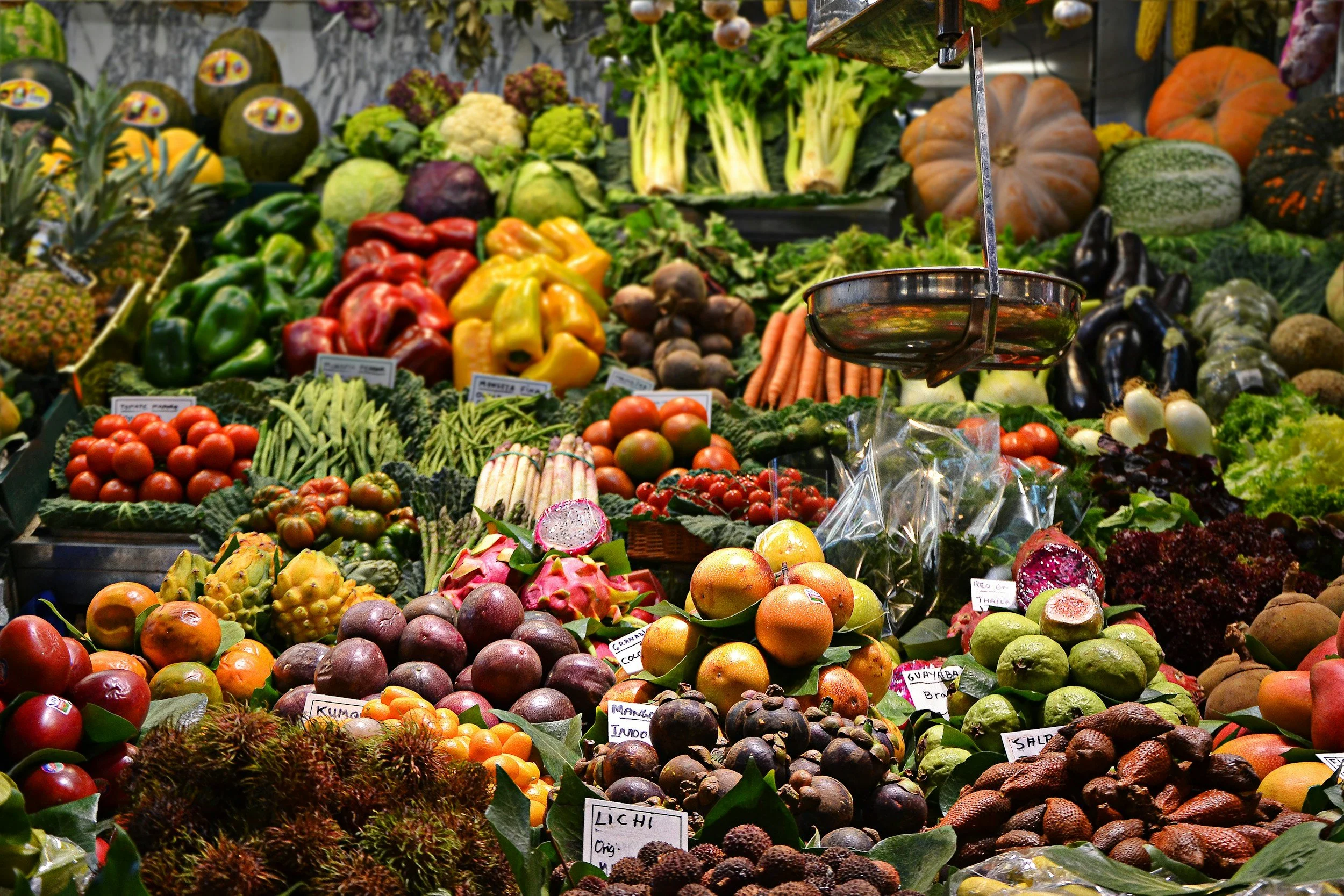
When you shop at your local farmer’s market, you’re receiving exactly what your body needs for that moment in time.
Start Simple
You don’t need to overhaul your life overnight. Start with one small shift:
Swap a cold breakfast for a warm one
Add digestive spices to your meals
Choose seasonal produce this week
Consistency, not perfection, is what creates lasting balance.
Ready to Go Deeper?
If you’re ready to reduce bloating, improve digestion, and support your hormones with personalized Ayurvedic guidance, I invite you to take the next step.
Work with me 1:1 to create a plan tailored to your body and your season of life.
Explore The Menopause Balance Method for a deeper, structured approach to hormonal health.
Check out the 30-Day Agni Reset to relight your digestive fire and clear toxins.
Your body already knows how to find balance. Ayurveda simply shows you how to listen.
Disclaimer: This article is for educational purposes only and is not intended to diagnose, treat, or replace professional medical advice.
